If you’ve spotted cracks in walls in your Victorian home, you’re not alone — and you’re not imagining things. Some cracks are harmless, while others point to serious structural movement. Knowing the difference can save you thousands in repairs and protect your biggest investment.
This expert guide from Structura Engineering Inspections explains what causes wall cracking, how to tell if it’s structural, and when to call a qualified structural engineer for a professional inspection.
Why Do Cracks Appear in Homes Across Victoria?
Victoria’s soil types, weather, and construction methods all contribute to wall cracking.
Here are the most common structural and environmental causes of cracks in walls:
- Reactive clay soils expanding and contracting with moisture
- Poor site drainage or leaking stormwater near slab edges
- Tree roots intruding on footings or drawing out soil moisture
- Foundation settlement or slab heave due to uneven support
- Natural aging and drying of building materials
- DIY renovations or poor workmanship altering load paths
Cracks are symptoms — not the root cause. Understanding why they occur is critical before attempting repairs.
For further reading, the Building and Plumbing Commission (BPC) provides official information on how reactive clay soils and foundation movement contribute to cracking in Victorian homes. Their resources explain how soil moisture changes affect footing systems and why early engineering assessment is so important. (DoFollow link)
When Is a Crack Just Cosmetic?
Not all cracks mean structural trouble. Harmless cosmetic signs typically include:
- Hairline plaster cracks under 1mm wide
- Small vertical cracks above doors and windows
- Fine plaster shrinkage after a new build or repaint
- Cracks that don’t widen or reappear after patching
These can usually be repaired without structural work, though ongoing monitoring is wise.
Image: Close-up of minor plaster crack in wall
Alt text: cracks in walls plaster inspection
Red Flags – When You Need a Structural Inspection
Some cracks signal deeper movement in the foundations or footings.
Call a structural engineer in Victoria if you notice any of the following:
- Cracks wider than 3mm
- Stepped or diagonal cracks in brickwork
- Cracks that keep widening or spreading
- Multiple new cracks appearing at once
- Cracks near corners, lintels, or door frames
- Uneven floors or jamming doors (possible slab heave or subsidence)
Getting an early structural crack inspection provides stronger evidence for insurance, council, or legal purposes — and often prevents bigger repair bills.
Image: Engineer assessing diagonal brick crack on site
Alt text: structural crack inspection Victoria
What Happens During a Crack Inspection?
With Structura, you don’t just get an opinion — you get an engineer-verified report.
Our inspections are carried out by qualified professionals who understand local soil behaviour and building regulations.
During your site visit, your engineer will:
- Conduct a detailed visual inspection and crack mapping
- Assess soil movement and footing performance
- Check slab levels and wall load paths
- Identify likely causes and risk areas
- Provide tailored repair and monitoring advice
Your written report includes:
- Professional cause analysis
- Urgency and risk rating
- Repair, monitoring, and prevention recommendations
- Photos, diagrams, and relevant Australian Standard references
Pricing for Structural Crack Inspections in Victoria
- Base price: from $495 + GST
- Report turnaround: 2–3 business days
- Optional add-ons: VCAT-ready report, expert witness documentation, or follow-up inspection bundle
Transparent pricing means no surprises — only solid engineering advice you can act on confidently.
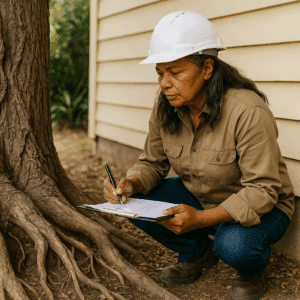
Image: Engineer writing structural report on clipboard
Alt text: cracks in walls engineer report Victoria
n Victoria, cracks in walls often trace back to underlying soil movement rather than surface damage. Our engineers use precise moisture and level readings to identify whether the issue comes from slab heave, footing settlement, or seasonal soil shrinkage. By pinpointing the true cause instead of masking symptoms, we help homeowners prevent recurring damage and unnecessary repair costs. Understanding the soil–structure relationship is key to permanent stability, not just temporary patching.
Final Thought – Cracks Are Common, But Action Isn’t
Cracks in walls are one of the most misunderstood warning signs in housing. Many homeowners delay seeking help until the damage worsens. Acting early not only saves on repair costs but also ensures your home remains safe, stable, and compliant.
Don’t ignore cracks.
Book a Structural Crack Inspection and protect your home’s value today.