
A dilapidation vs condition report comparison is crucial for builders, developers, and property owners before starting any major works. Although both documents assess the condition of a property, they serve very different purposes. Understanding which one you need can save time, money, and avoid disputes later in your project.
Knowing the differences between a dilapidation vs condition report is vital for any property owner or developer. This guide explains the key differences, when to use each, and how Structura Engineering Inspections can help you choose the right one.
Understanding the implications of a dilapidation vs condition report can significantly affect compliance, liability, and project outcomes.
What Is a Dilapidation Report?
A dilapidation report is a pre-construction condition survey that records the existing condition of nearby buildings and structures before work begins.
It includes:
- A full photographic and written record
- Internal and external observations
- Notes on cracking, movement, staining, and corrosion
- Site location details, date, and weather conditions
- Engineer or inspector’s declaration
Dilapidation reports are used by:
- Builders, developers, or contractors working near other properties
- Councils or planning authorities requiring pre-construction documentation
- Homeowners renovating close to boundaries
The goal is protection — if vibration, excavation, or construction later cause cracks or damage, this report proves what existed beforehand.
What Is a Condition Report?
A condition report is typically prepared after construction or as part of property management. It documents the condition of a building, structure, or asset at a specific point in time — not necessarily tied to nearby works.
Condition reports are used by:
- Property owners and managers monitoring maintenance
- Councils or insurers verifying structural soundness
- Strata managers or body corporates before or after tenancy
- Builders completing handovers
While both reports assess physical condition, a condition report focuses on maintenance and asset management, not liability protection.
Key Differences in a Dilapidation vs Condition Report
| Aspect | Dilapidation Report | Condition Report |
|---|---|---|
| Purpose | Protects against damage claims from nearby works | Tracks building condition for maintenance |
| Timing | Conducted before construction | Conducted anytime |
| Scope | Neighbouring or affected properties | The property itself |
| Legal Weight | Often required for council or insurance compliance | Generally informational |
| Clients | Builders, developers, homeowners | Property owners, strata managers, insurers |
Both are visual condition assessments, but their timing and intent make them very different.
Why Choosing the Right Report Matters
Choosing the wrong report can expose you to unnecessary risk or disputes.
- If you’re starting construction, excavation, or demolition — you need a dilapidation report.
- If you’re maintaining or buying a property — you need a condition report.
Each document offers peace of mind for different reasons: prevention versus documentation.
For more details on inspection standards, visit the Building and Plumbing Commission (BPC) website.
How Structura Engineering Inspections Can Help
Structura Engineering Inspections prepares both dilapidation reports and condition reports across Victoria, each tailored to your project’s risk profile and compliance needs.
Clients choose us because:
- All reports are signed by qualified structural engineers
- Fast 1–2 business day turnaround available
- Digital photo gallery and PDF copies included
- Optional post-construction comparison service
- Coverage across Melbourne, Geelong, and Regional Victoria
We ensure every report is clear, defensible, and easy to understand — whether you’re managing assets or starting construction.
See our Dilapidation & Condition Reports page or learn more about Engineering Services.
Cost and Turnaround
- Dilapidation Report: from $495 + GST
- Condition Report: from $450 + GST
- Delivery: 1–2 business days
- Optional post-construction comparison available
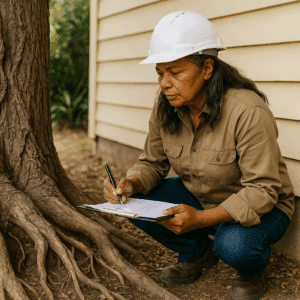
Image: Engineer completing report documentation
Alt Text: dilapidation vs condition report documentation
Final Thought – The Smart Choice for Your Project
Knowing the difference between a dilapidation vs condition report helps protect your project, your property, and your peace of mind. Structura Engineering Inspections provides expert, engineer-backed reports that stand up to scrutiny and ensure compliance at every stage.